
The Parable of the Sower: A Comprehensive Analysis
Exploring the parable’s depths requires accessible resources; numerous PDFs offer detailed scriptural analysis and theological insights․
These materials illuminate the Gospel’s message, aiding comprehension and application․
Historical and Religious Context
Understanding the parable’s origins necessitates examining 1st-century Palestinian agricultural practices․ Sowing seeds wasn’t a precise science; farmers often broadcast seed widely, accepting that some would fall on unproductive ground․ This reflects a common reality of the time, making the imagery relatable to Jesus’ audience․
The parable resonates with Old Testament themes of prophetic sowing and reaping, where the prophet’s message sometimes fell on receptive or hardened hearts․ Furthermore, the concept of “seed” as representing God’s word was prevalent in Jewish thought․
Accessing PDF resources on this context reveals how Jesus utilized familiar agricultural scenarios to convey profound spiritual truths․ These resources often detail the socio-economic conditions of the time, highlighting the challenges faced by farmers and the importance of a good harvest․ Studying these historical details enriches our understanding of the parable’s original intent and its enduring relevance;
The Parable in the Gospels
The Parable of the Sower appears in Matthew, Mark, and Luke, each offering a unique perspective․ Matthew (13:1-23) provides the most detailed account, including Jesus’ explanation of the parable to his disciples․ Mark (4:1-20) presents a concise version, focusing on the seed’s reception․ Luke (8:4-15) emphasizes the importance of understanding the word to bear fruit․
PDF studies comparing these Gospel accounts reveal subtle nuances in emphasis․ Some resources highlight how each author tailored the parable to their specific audience and theological focus․ For example, Matthew connects it to the Kingdom of Heaven, while Luke emphasizes the individual’s response to the Gospel․
Digital resources often present parallel texts, allowing readers to easily compare the variations․ These comparative analyses, available in PDF format, demonstrate the consistent core message while appreciating the individual Gospel writers’ contributions to our understanding of this foundational teaching of Jesus․
Matthew 13:1-23 ⎻ The Primary Source
Matthew’s account (13:1-23) is considered the primary source for the Parable of the Sower, offering the most comprehensive narrative and Jesus’ direct interpretation․ It begins with Jesus teaching by the seaside, using the parable to illustrate the reception of the “word” – the Gospel message․ The detailed explanation clarifies the different types of soil representing varying levels of receptivity to faith․
Numerous PDF commentaries delve into the historical and cultural context of this passage, shedding light on agricultural practices of the time․ These resources emphasize that Jesus intentionally used relatable imagery to convey spiritual truths; They also explore the significance of the sower’s seemingly careless scattering of seed, contrasting it with divine providence․
Accessible PDF studies often include verse-by-verse analyses, highlighting key theological concepts like the importance of perseverance and the role of the Holy Spirit in preparing hearts to receive God’s word․ These materials aid in a deeper understanding of Matthew’s presentation of the parable․
Mark 4:1-20 ⎻ A Parallel Account
Mark’s rendition (4:1-20) of the Parable of the Sower, while shorter than Matthew’s, provides a parallel account with a similar focus on the diverse responses to the Gospel․ Mark emphasizes the mystery surrounding the parable, noting Jesus’ intention to speak in riddles to those outside the faith․ This highlights the selective nature of revelation․
PDF resources dedicated to Mark often compare and contrast his version with Matthew’s, pinpointing subtle differences in emphasis and narrative flow․ These studies reveal Mark’s concise style and his focus on Jesus’ authority and power․ They also explore the implications of Jesus’ statement about those “outside” receiving everything in parables․
Downloadable PDF analyses frequently explore the disciples’ questioning of Jesus regarding the parable, demonstrating their initial confusion and subsequent enlightenment․ These materials underscore the importance of seeking understanding and the role of Jesus in revealing spiritual truths․
Luke 8:4-15 ⎻ Another Perspective
Luke’s account (8:4-15) of the Parable of the Sower uniquely includes a direct request from the disciples for Jesus to explain the parable’s meaning․ This contrasts with Mark’s narrative and emphasizes Luke’s focus on understanding and accessibility․ Luke’s version explicitly identifies Jesus as the sower and the word as the seed, clarifying the parable’s central message․
PDF studies focusing on Luke often highlight the detailed explanation Jesus provides, breaking down each type of soil and its corresponding response to the word․ These resources emphasize the importance of a receptive heart, free from worldly distractions and persecution, for genuine faith to flourish․
Accessible PDF commentaries explore how Luke connects the parable to the broader themes of his Gospel, such as the inclusivity of salvation and the importance of discipleship․ They also delve into the implications of perseverance in faith, even amidst trials and tribulations․
Understanding the Key Elements
PDF resources dissect the sower, seed, and soil, revealing their symbolic meanings․ These guides illuminate how understanding these elements unlocks the parable’s profound spiritual truths;
The Sower: Identifying the Figure
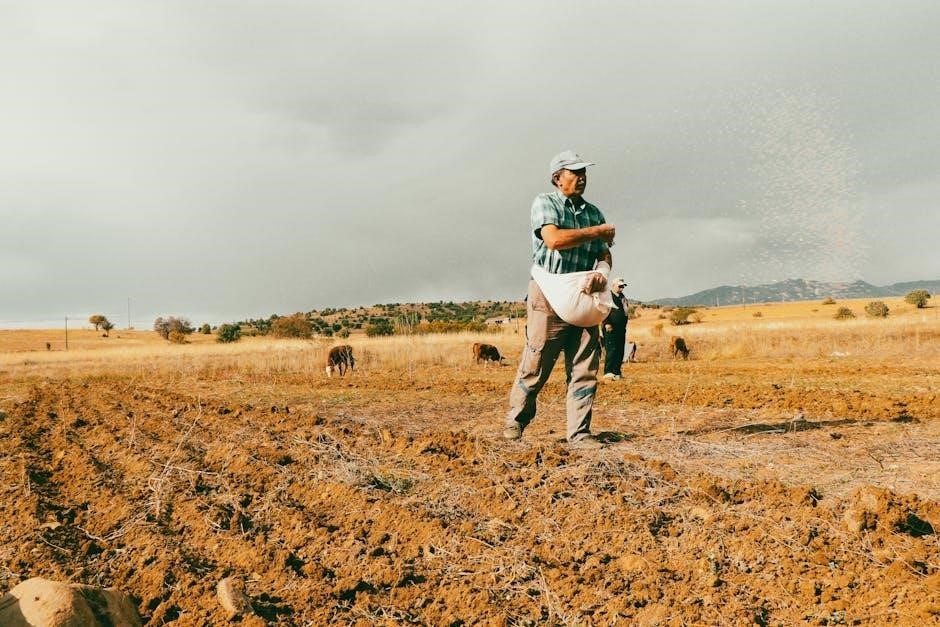
Identifying the sower is central to understanding the parable, and PDF analyses consistently point to Jesus Christ as the primary figure․ He is depicted as the one generously scattering the Word of God – the Gospel message – far and wide․ However, some commentaries, accessible in PDF format, note a fascinating nuance: the parable isn’t solely about the sower․
Instead, the focus shifts to the reception of the seed, highlighting the varying responses to the Gospel․ Certain PDFs emphasize that Jesus, as the sower, isn’t portrayed as particularly careful or efficient in his sowing․ He seemingly “carelessly” scatters seed on all types of ground, a point explored in resources from Working Preacher and The Millennial Pastor․
This isn’t indicative of negligence, but rather a demonstration of God’s expansive grace and willingness to offer salvation to all․ PDF studies from Catholic Answers, Inc․ clarify that the parable serves as a warning to those who hear but don’t understand, emphasizing the need for conversion․ Ultimately, the sower represents the divine initiative in spreading the Gospel, leaving the outcome to the prepared hearts of those who receive it․
The Seed: What Does It Represent?
The seed within the parable consistently represents the Word of God, a central tenet reinforced across numerous PDF resources and biblical commentaries․ This encompasses both Jesus’ spoken teachings and the broader message of the Gospel itself․ Bible Study Tools’ PDF materials explicitly state the seed embodies the saving Gospel of Jesus Christ, emphasizing its transformative power․
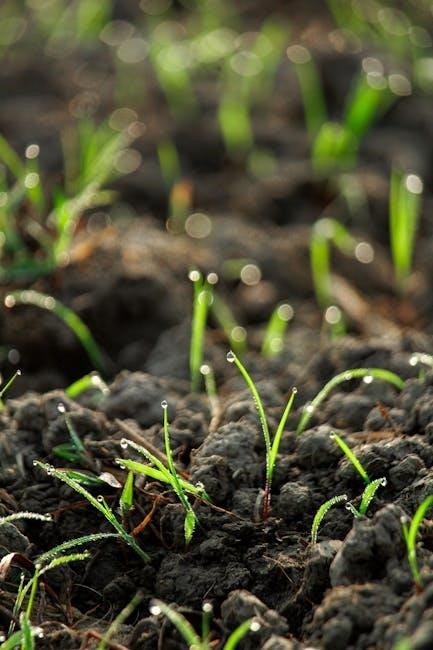
However, the seed’s fate isn’t solely determined by its inherent quality, but by the condition of the soil it lands upon․ PDF analyses from Ligonier․org, featuring R․C․ Sproul’s sermons, highlight that germination and fruitfulness depend on the Holy Spirit’s preparation of the heart․
The seed’s potential is always present, but its realization is contingent upon receptive ground․ Catholic Answers, Inc․’s PDF insights suggest the seed’s impact is also tied to individual understanding and conversion․ Therefore, the seed symbolizes the divine potential within the Gospel message, awaiting the right conditions to flourish and bear fruit in the lives of believers․
The Soil: Types and Symbolism
The soil in the parable functions as a powerful metaphor for the human heart and its varying levels of receptivity to God’s Word, extensively detailed in available PDF studies․ Working Preacher’s commentary, accessible in PDF format, emphasizes the soil’s diverse conditions – rocky, thorny, and good – each representing distinct responses to the Gospel message․
Rocky soil symbolizes superficial faith, where initial enthusiasm quickly fades due to persecution or hardship․ Thorny soil represents worldly concerns and desires that choke out spiritual growth, hindering the seed’s development․
Conversely, good soil embodies a heart genuinely open to God, producing a bountiful harvest․ R․C․ Sproul’s PDF sermons from Ligonier․org underscore the Holy Spirit’s role in preparing this fertile ground․ The Millennial Pastor’s PDF analysis notes the sower’s seeming carelessness, highlighting that the soil ultimately determines the outcome, not the sower’s technique․
Rocky Soil: Superficial Faith
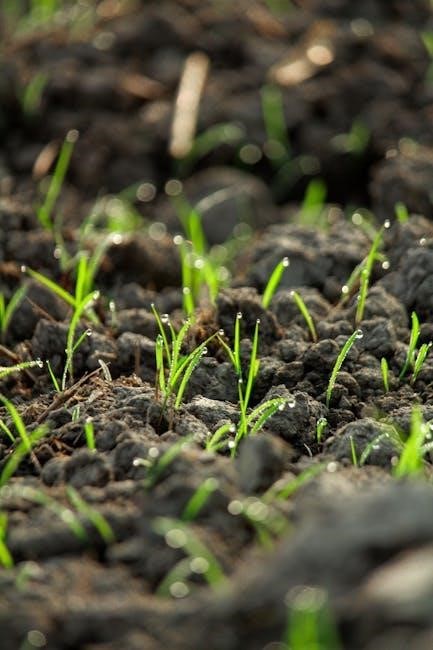
Rocky soil, as depicted in the parable and elaborated upon in numerous PDF analyses, represents individuals who initially receive the Word with joy but lack deep roots․ Bible Study Tools’ PDF resources explain this soil type signifies those facing persecution or tribulation due to their faith․ The seed sprouts quickly, but because of shallow roots, it withers under pressure․
This isn’t a rejection of the message initially, but a lack of sustained commitment․ Catholic Answers’ PDF materials highlight how these individuals “look and see but not perceive,” demonstrating a surface-level understanding without genuine internalization․
The rocky ground symbolizes a heart unprepared for hardship, lacking the resilience to withstand challenges to belief․ PDF commentaries from Working Preacher emphasize the sower’s investment even in seemingly unproductive ground, mirroring Jesus’ engagement with all people, even those with superficial faith․
Thorny Soil: Worldly Concerns
Thorny soil, detailed in accessible PDF resources, embodies those who hear the Word but are choked by worldly anxieties, riches, and desires․ R․C․ Sproul’s sermon PDFs emphasize that the “thorns” represent competing priorities that steal the seed’s nourishment, preventing spiritual growth․ This isn’t outright opposition, but a gradual suffocation of faith․
Bible Study Tools’ PDF explanations clarify that these concerns aren’t necessarily evil in themselves, but they become detrimental when they overshadow devotion to God․ The parable, as explored in Catholic Answers’ PDFs, illustrates how worldly attachments can “listen but not understand,” hindering true conversion․

Working Preacher’s PDF commentaries note the sower’s continued scattering of seed, even onto this less-promising ground, reflecting God’s persistent offer of grace․ The thorns symbolize the allure of material possessions and the distractions of daily life, ultimately hindering a fruitful harvest․
Good Soil: Genuine Belief
Good soil, as detailed in numerous parable of the sower PDFs, represents hearts receptive to God’s Word, yielding a bountiful harvest․ R․C․ Sproul’s sermons, available in PDF format, highlight the Holy Spirit’s crucial role in preparing this soil, enabling germination and growth․ This isn’t passive reception, but an active embrace of truth․
Bible Study Tools’ PDF resources explain that good soil signifies those who understand, retain, and live out the Gospel message․ Catholic Answers’ PDFs emphasize that this soil represents genuine conversion and forgiveness, resulting in a transformed life․ It’s a heart free from distractions and fully devoted to God․
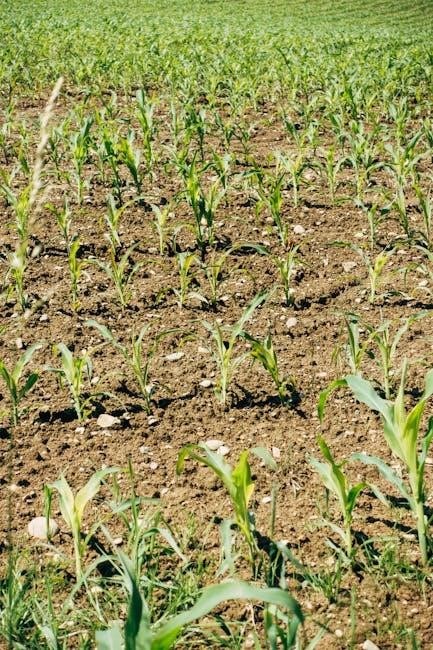
Working Preacher’s commentaries, accessible as PDFs, underscore that the harvest—thirty, sixty, or a hundredfold—demonstrates varying degrees of fruitfulness, all stemming from the same seed and the same good soil․ This illustrates the potential for abundant spiritual growth in those who wholeheartedly believe․
Interpretations and Theological Significance
PDF analyses reveal debates on the sower’s intent—carelessness or providence—and the Holy Spirit’s role in soil preparation․
These resources explore evangelism’s challenges and varied responses․
The Sower’s Carelessness vs․ Divine Providence
Examining PDF commentaries reveals a central tension: was the sower’s scattering of seed wasteful and careless, or a demonstration of divine providence? Some interpretations, highlighted in resources from Working Preacher and The Millennial Pastor, initially suggest a seemingly inefficient approach․ The sower isn’t depicted as meticulously selecting prime soil, but rather broadcasting seed widely, even onto unproductive ground․
However, theological analyses within these PDF documents often pivot to emphasize God’s overarching plan․ This perspective argues that even the seed falling on unfavorable terrain isn’t a failure, but part of a larger purpose․ It underscores the idea that God works through all circumstances, utilizing even apparent wastefulness to achieve His goals․
Resources like those from Catholic Answers, Inc․ suggest the parable’s purpose isn’t about the sower’s technique, but about revealing hearts․ The scattering, therefore, becomes a test, exposing pre-existing conditions within individuals rather than a flaw in divine strategy․ Ultimately, the PDF materials demonstrate that the parable invites reflection on God’s sovereignty and the mystery of His ways․
The Role of the Holy Spirit in Preparing the Soil
PDF resources consistently emphasize the Holy Spirit’s crucial role in preparing the “soil” – the human heart – to receive God’s Word․ R․C․ Sproul’s sermon, available in PDF format from Ligonier․org, directly states that germination and fruitfulness depend on soil the Holy Spirit has prepared․ This isn’t merely about external conditions, but an internal transformation․
Commentaries within these PDFs explain that rocky, thorny, or compacted soil represents hearts hardened by superficiality, worldly concerns, or ingrained resistance․ The Holy Spirit’s work involves breaking up this hardened ground, removing obstacles, and cultivating receptivity to the Gospel message․
Furthermore, these materials highlight that the parable isn’t simply about individual effort, but about divine agency․ While individuals can cultivate spiritual disciplines (discussed elsewhere), the initial preparation of the heart is solely the work of the Holy Spirit․ The PDF analyses demonstrate that recognizing this divine initiative is essential for understanding the parable’s profound theological implications․
The Parable as a Commentary on Evangelism
PDF studies reveal the parable’s potent message for evangelism: not every seed will flourish, despite the sower’s efforts․ Catholic Answers’ analysis, often available as a downloadable PDF, points out that Jesus intentionally spoke in parables to those “outside,” acknowledging varied responses․ This isn’t a condemnation of the message, but a realistic portrayal of human reception․
Working Preacher’s commentary, accessible in PDF form, highlights the sower’s seemingly “careless” scattering of seed․ This isn’t inefficiency, but a demonstration of God’s expansive grace, investing even in those who appear unpromising․ Evangelism, therefore, requires persistent sowing, trusting God with the results․
These resources emphasize that evangelists shouldn’t be discouraged by rejection․ The parable isn’t a call to assess potential “good soil” beforehand, but to faithfully proclaim the Word, knowing the Holy Spirit will prepare hearts․ The PDF materials consistently underscore that the outcome rests with God, not the evangelist․
Different Responses to the Gospel Message
PDF analyses of the parable consistently demonstrate the diverse ways individuals respond to the Gospel․ Bible Study Tools’ resources, often available as downloadable PDFs, clearly articulate that Jesus used this parable to illustrate these varying reactions․ Some hear but don’t understand, representing hardened hearts or superficial engagement․
The “rocky soil” symbolizes those who initially embrace the message with enthusiasm, but lack deep roots, faltering under pressure – a theme frequently explored in PDF commentaries․ “Thorny soil” represents those whose faith is choked by worldly concerns, a struggle detailed in numerous study guides․
Conversely, the “good soil” signifies genuine belief, producing a fruitful harvest․ R․C․ Sproul’s sermons, often transcribed and available as PDFs, emphasize the Holy Spirit’s role in preparing this receptive ground․ These resources collectively reveal that the parable isn’t about the sower’s technique, but about the condition of the listener’s heart․
The Importance of Perseverance in Faith
PDF resources dedicated to the Parable of the Sower consistently highlight the necessity of persevering in faith, particularly referencing the fate of seeds falling on rocky ground․ These studies emphasize that initial acceptance of the Gospel isn’t sufficient; sustained commitment is crucial․
Commentaries, often available for download, detail how the rocky soil represents those who quickly abandon their faith when facing tribulation or persecution․ The parable, as explained in various PDF analyses, serves as a warning against superficial belief․
Conversely, the good soil demonstrates the power of enduring faith, yielding a bountiful harvest․ Ligonier․org’s resources, including Sproul’s sermons in PDF format, underscore the Holy Spirit’s role in cultivating this resilience․ The parable, therefore, isn’t merely about receiving the word, but about nurturing it through consistent spiritual discipline and unwavering devotion․

Practical Applications and Modern Relevance
PDF studies reveal the parable’s enduring relevance, prompting self-reflection on our spiritual “soil․”
Resources aid in identifying obstacles and cultivating faith for lasting growth․
Self-Examination: Identifying Our “Soil Type”

Utilizing PDF resources on the Parable of the Sower encourages profound self-assessment․ Are we like the seed falling on the path, quickly snatched away by worldly distractions? Do we represent the rocky soil, initially enthusiastic but lacking deep roots to withstand trials?
Perhaps we resemble the thorny ground, where worldly anxieties choke the life out of faith․ Detailed analyses within these PDFs help discern if our hearts are truly receptive to God’s word․
The crucial question is: are we the good soil, diligently nurturing the seed with consistent spiritual disciplines? PDF study guides often include reflective questions, prompting honest evaluation of our responses to the Gospel message․ Recognizing our “soil type” is the first step towards cultivating a heart ready to receive and bear fruit․
This introspective process, aided by readily available resources, allows for targeted spiritual growth and a deeper understanding of our relationship with faith․
Cultivating Good Soil: Spiritual Disciplines
PDF resources on the Parable of the Sower emphasize that transforming our hearts into “good soil” demands intentional effort․ This involves consistent spiritual disciplines – practices that prepare us to receive God’s word and allow it to flourish․
Regular prayer, diligent Bible study, and active participation in a faith community are vital․ Study guides often highlight the importance of removing “stones” of doubt and “thorns” of worldly concerns through confession and repentance․
Furthermore, cultivating good soil requires actively seeking the Holy Spirit’s guidance, as noted in several commentaries․ Downloadable worksheets can aid in establishing a routine of spiritual practices․
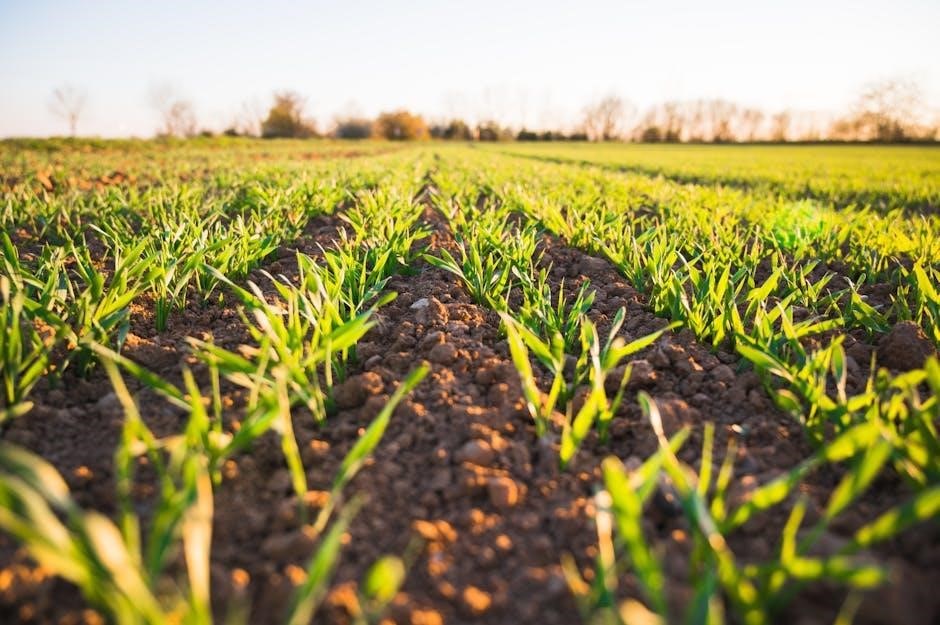
These disciplines aren’t merely obligations, but opportunities to nurture a deeper relationship with God, ensuring the seed of faith takes root and yields a bountiful harvest․ Comprehensive PDFs offer practical steps for integrating these practices into daily life․
Overcoming Obstacles to Spiritual Growth
PDF analyses of the Parable of the Sower reveal common obstacles hindering spiritual growth, mirroring the unproductive soil types․ Rocky soil represents superficial faith, easily discouraged by persecution or hardship․ Downloadable study materials often address how to build resilience against these challenges․
Thorny soil symbolizes worldly anxieties and desires choking out God’s word․ Detailed commentaries suggest practices like mindful detachment and prioritizing eternal values to overcome these distractions․ Recognizing these “thorns” is crucial․
Many online resources emphasize the need for self-examination, identifying which obstacles are most prevalent in our lives․ PDF workbooks provide prompts for honest reflection and developing strategies for removal․
Ultimately, overcoming these obstacles requires acknowledging our weaknesses and relying on God’s grace to cultivate a heart receptive to His word, fostering genuine and lasting spiritual growth․
The Parable and Discipleship
PDF resources on the Parable of the Sower consistently link it to the core of discipleship․ Jesus’ investment in seemingly “unpromising” disciples, as noted in commentaries, mirrors the sower’s indiscriminate scattering of seed․ This highlights God’s willingness to work with imperfect individuals․
Downloadable studies emphasize that discipleship isn’t about immediate results, but about the potential within the seed – the Word of God – to take root and flourish․ The parable challenges us to be patient and persistent in nurturing faith in others․
Detailed analyses reveal that effective discipleship involves understanding the “soil” of those we’re mentoring, recognizing their struggles and tailoring our approach accordingly․ It’s not about careless scattering, but discerning investment․
Online materials underscore the importance of ongoing spiritual disciplines to cultivate “good soil” within ourselves and others, fostering a lasting and fruitful relationship with Christ․
PDF Resources and Online Availability
Numerous PDF documents offer in-depth explorations of the Parable of the Sower, readily accessible through sites like Catholic Answers, Inc․, and Ligonier․org․ These resources provide comprehensive analyses, ranging from theological interpretations to practical applications for modern life․
Bible Study Tools hosts a wealth of materials, including downloadable commentaries and verse-by-verse explanations, enhancing understanding of the parable’s nuances․ Working Preacher from Luther Seminary also provides sermon-focused PDFs․
Online sermons, such as those by R․C․ Sproul, are often available as downloadable transcripts or audio files, offering insightful perspectives on the parable’s significance․
The Millennial Pastor and other blogs frequently link to relevant PDFs and articles, creating a network of accessible resources․ Searching “Parable of the Sower PDF” yields a vast collection for personal study and group discussion․
The Parable of the Sower in PDF Format: Accessing and Utilizing Resources
Digital accessibility has made studying the Parable of the Sower easier than ever, with a plethora of PDF resources available online․ Websites like Catholic Answers, Inc․, offer downloadable analyses focusing on the parable’s implications for conversion and understanding scripture․
Ligonier․org provides access to R․C․ Sproul’s sermons in PDF transcript form, offering a Reformed theological perspective․ Bible Study Tools compiles various commentaries and verse breakdowns in downloadable PDF format․
Working Preacher from Luther Seminary delivers sermon-specific PDFs, aiding pastors and teachers in crafting insightful messages․ The Millennial Pastor and similar blogs often curate links to relevant downloadable materials․
Effective utilization involves cross-referencing different interpretations and focusing on the parable’s core message: the diverse responses to the Gospel and the importance of cultivating receptive hearts․
Leave a Reply
You must be logged in to post a comment.